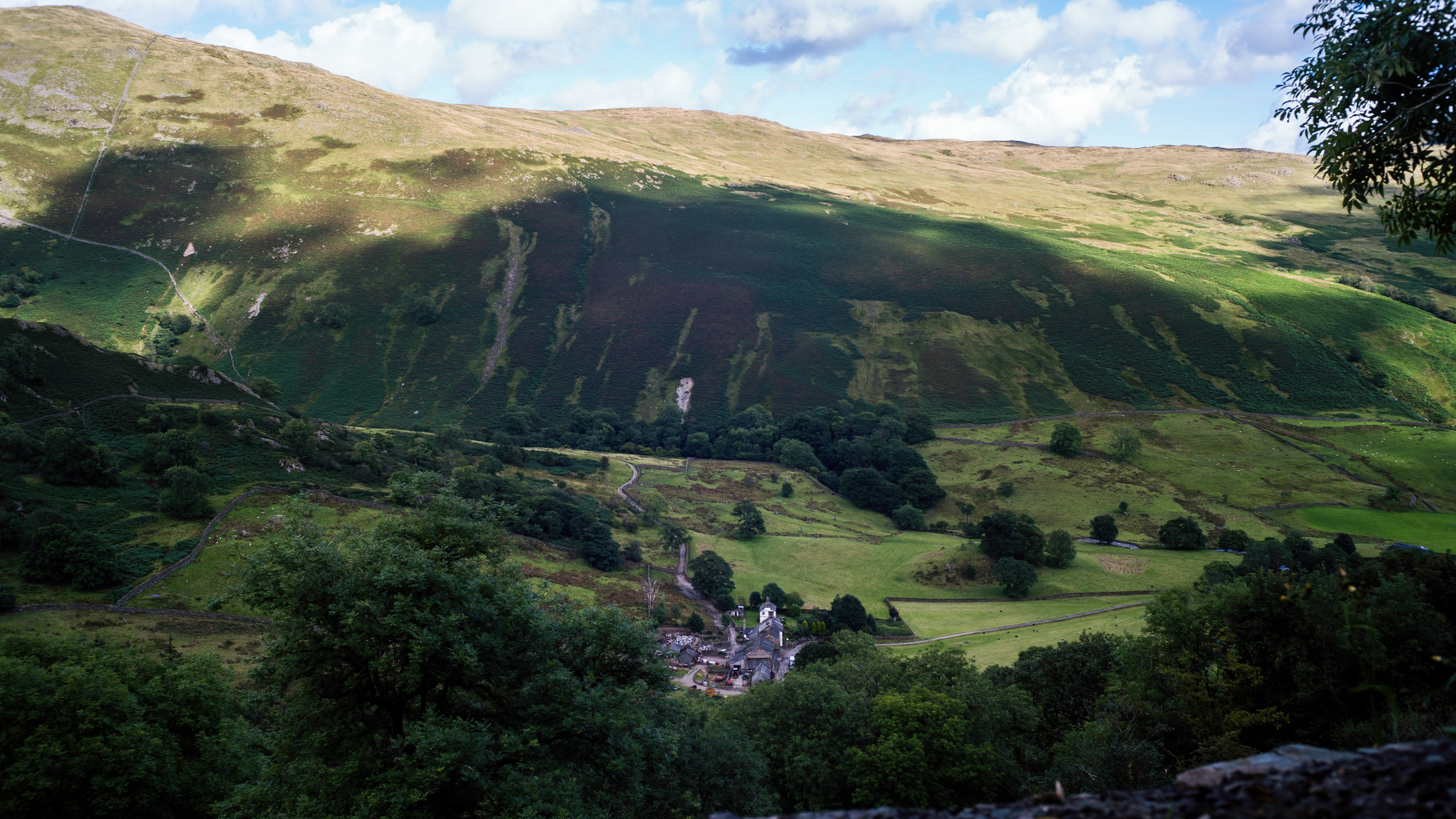
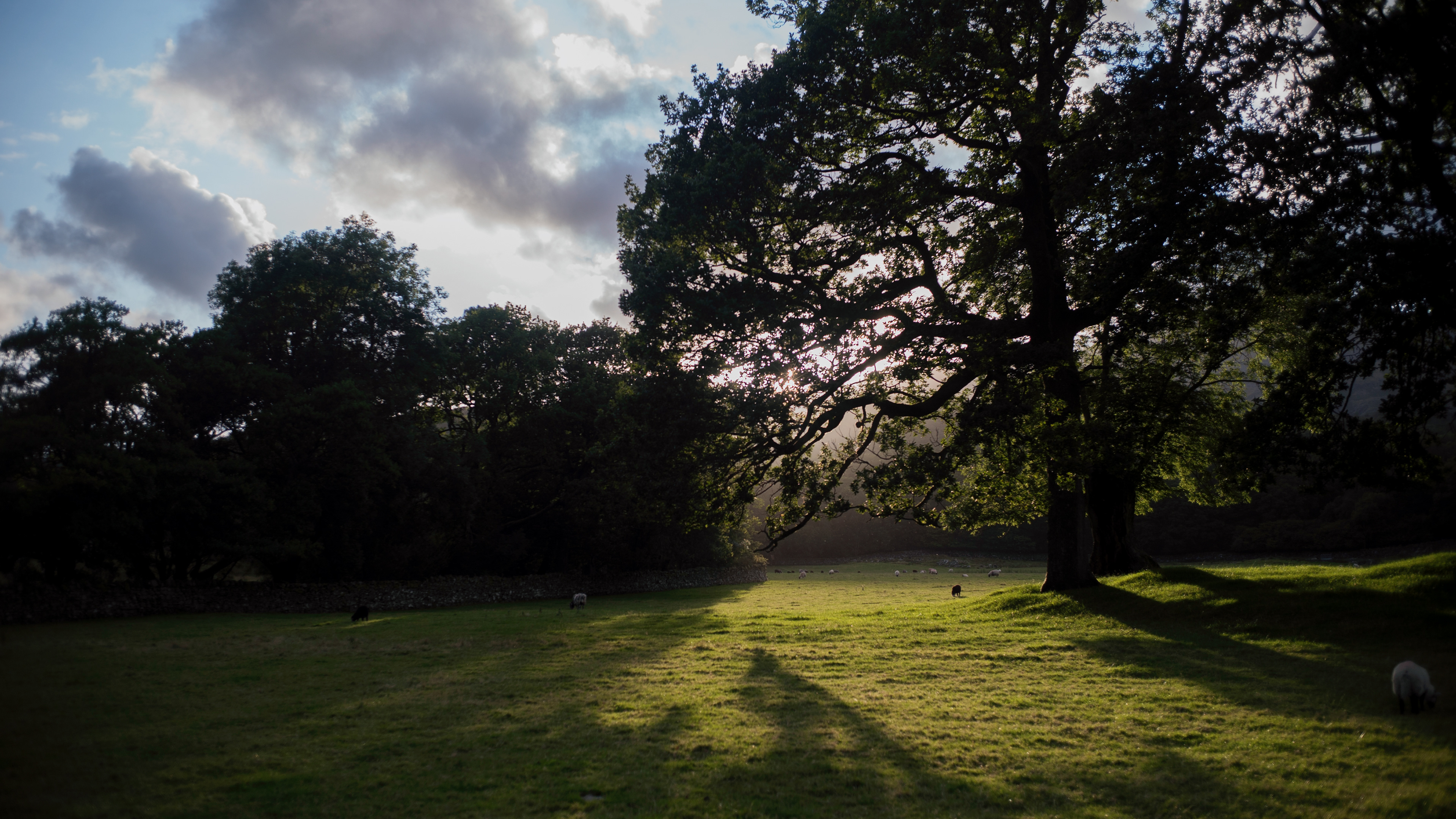
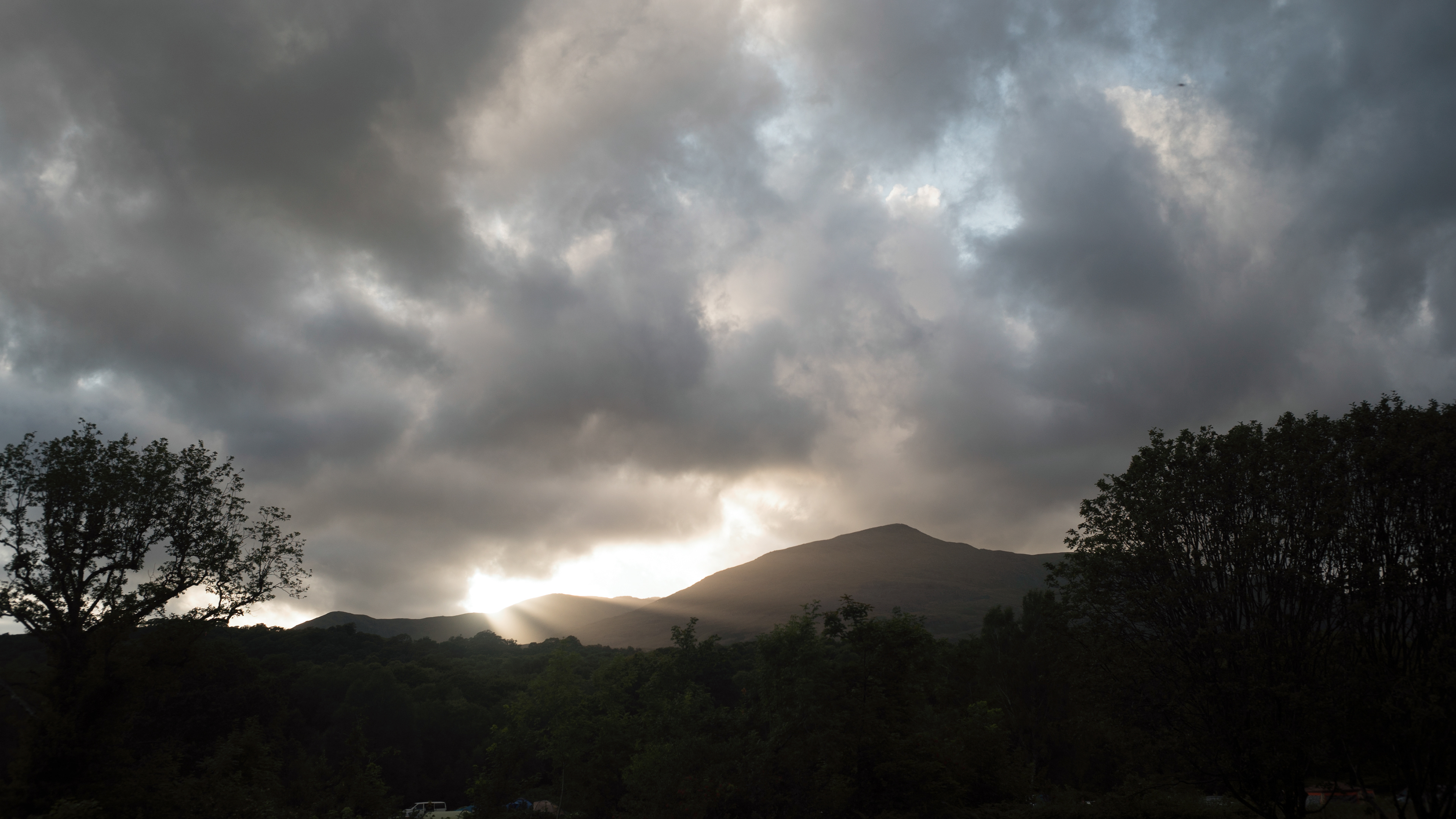
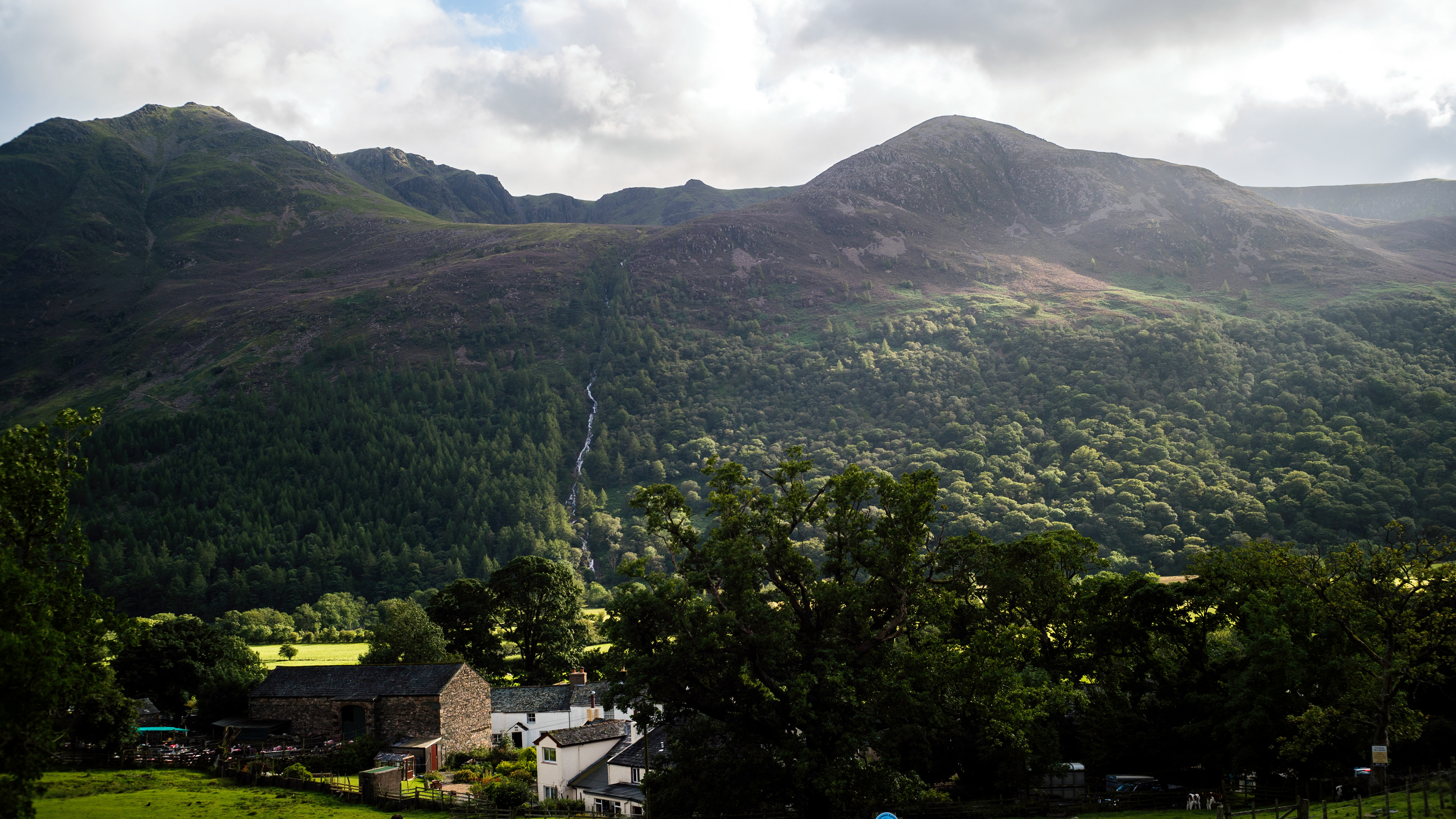
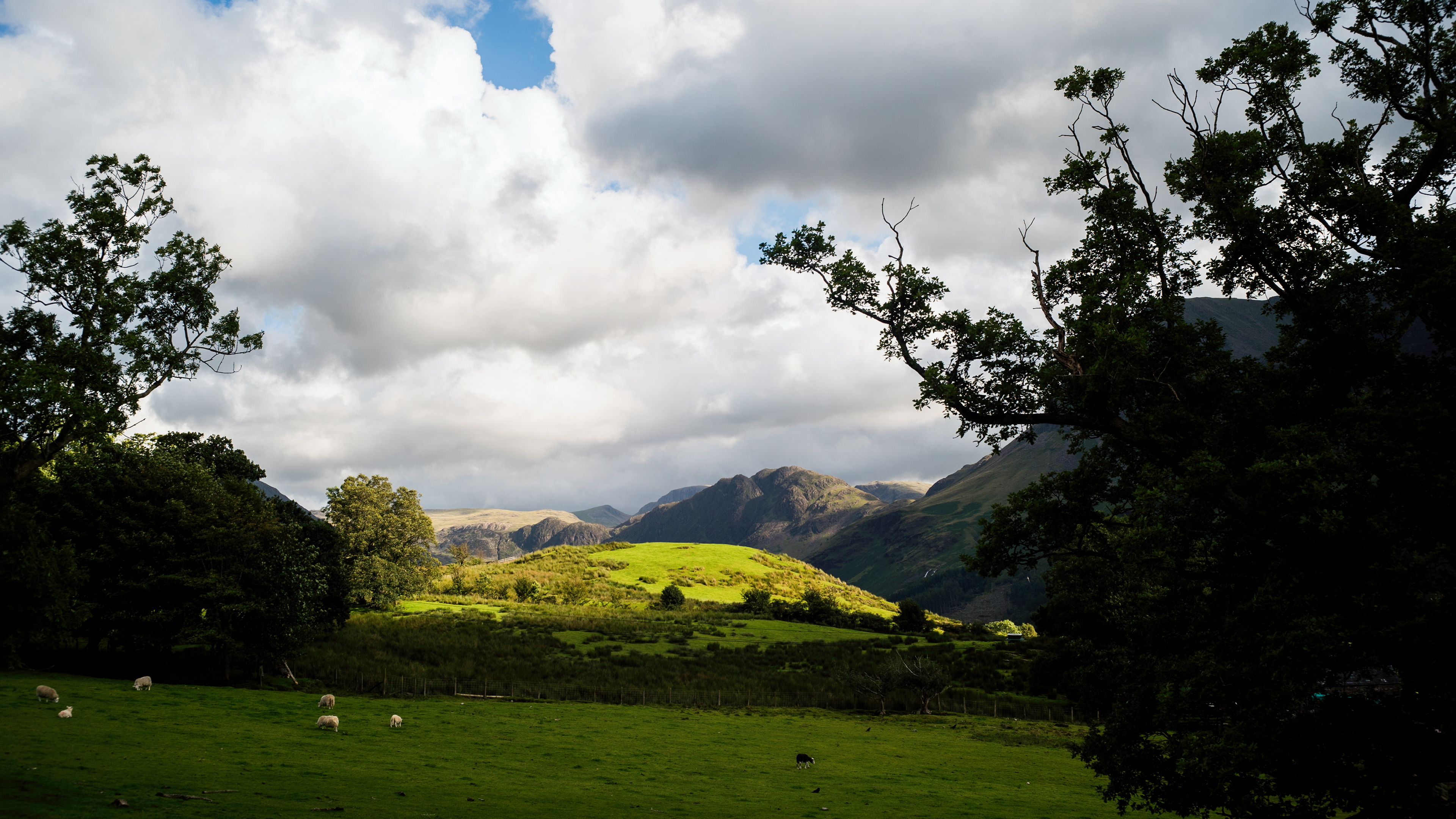
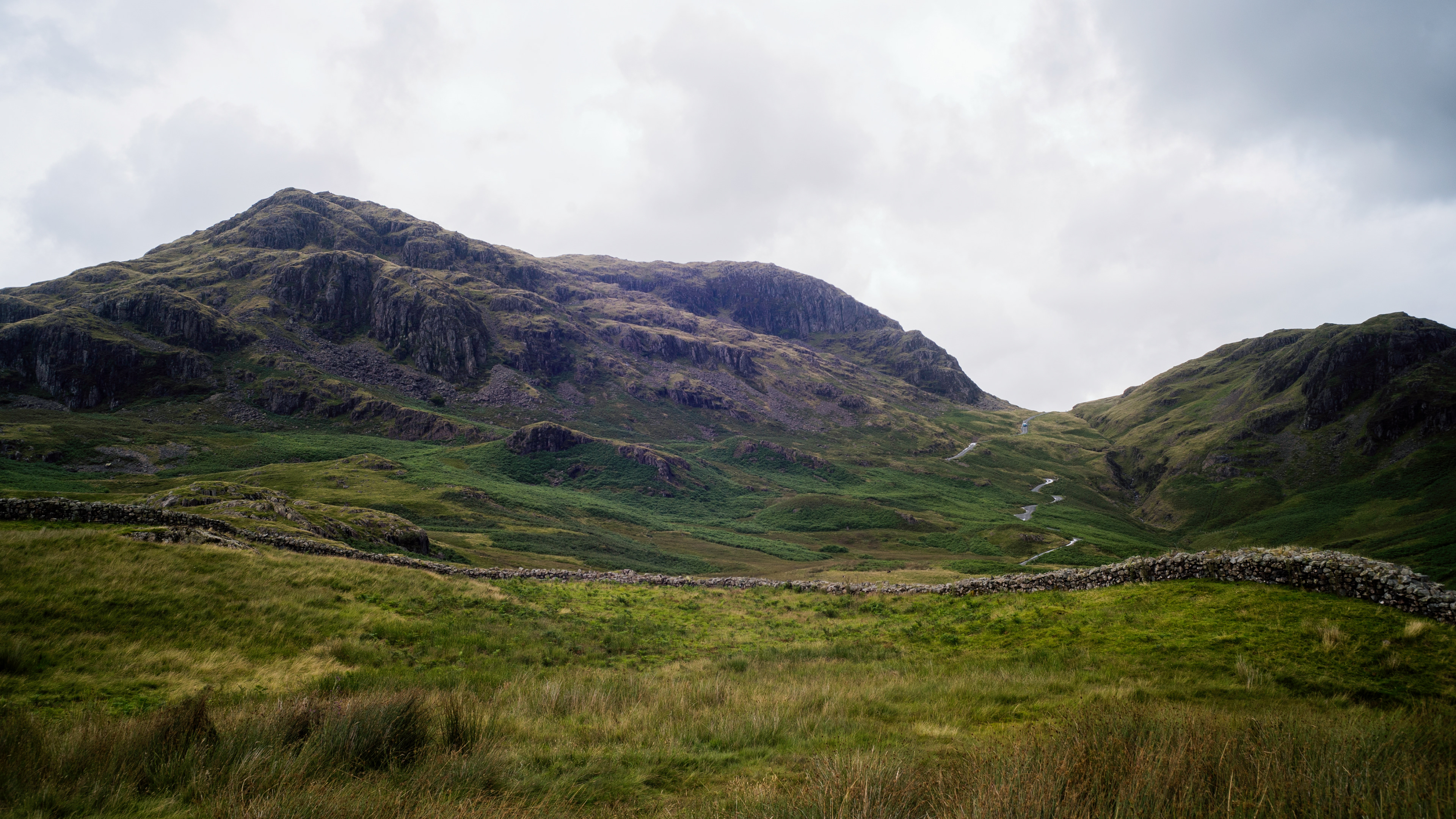
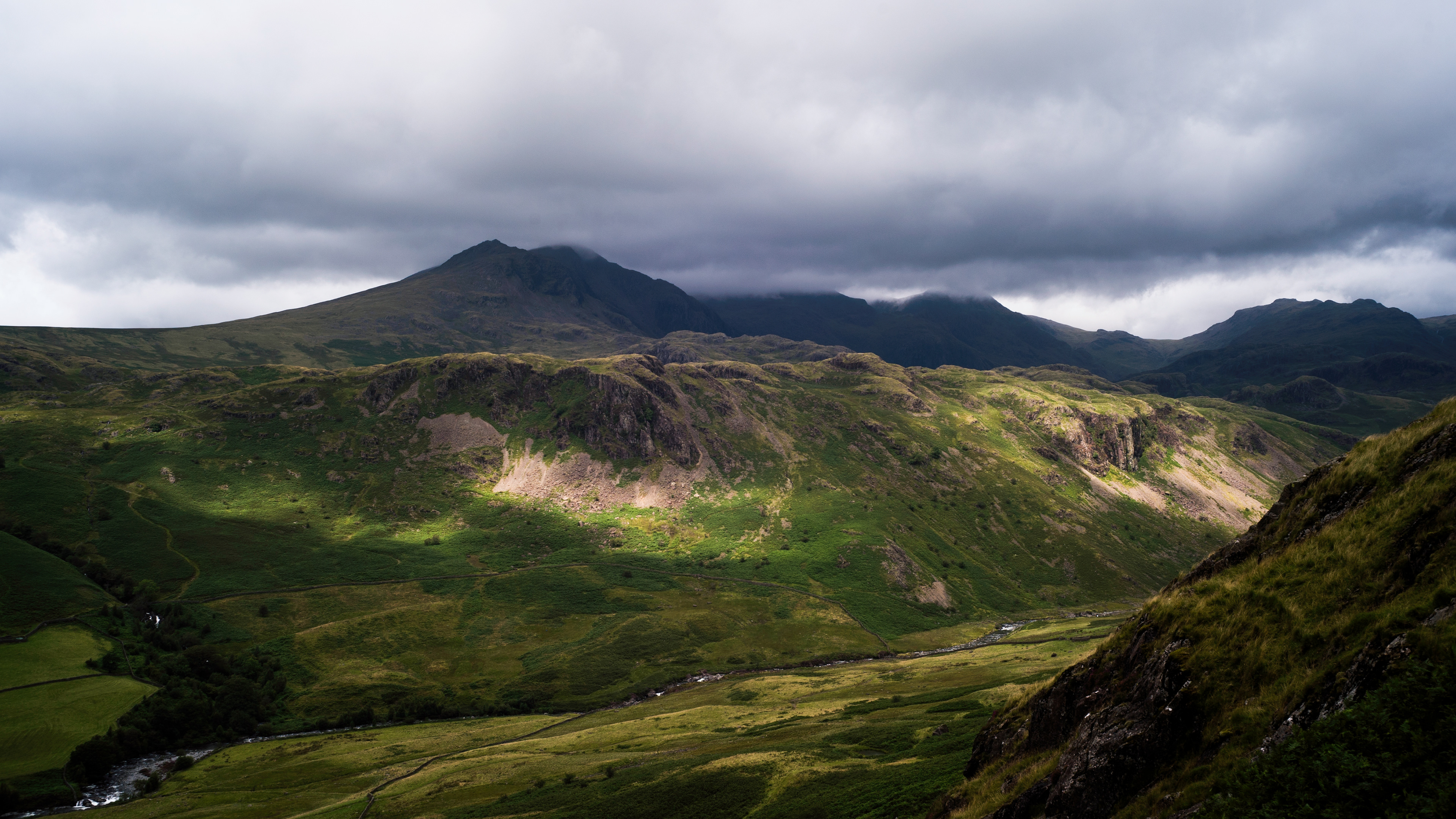
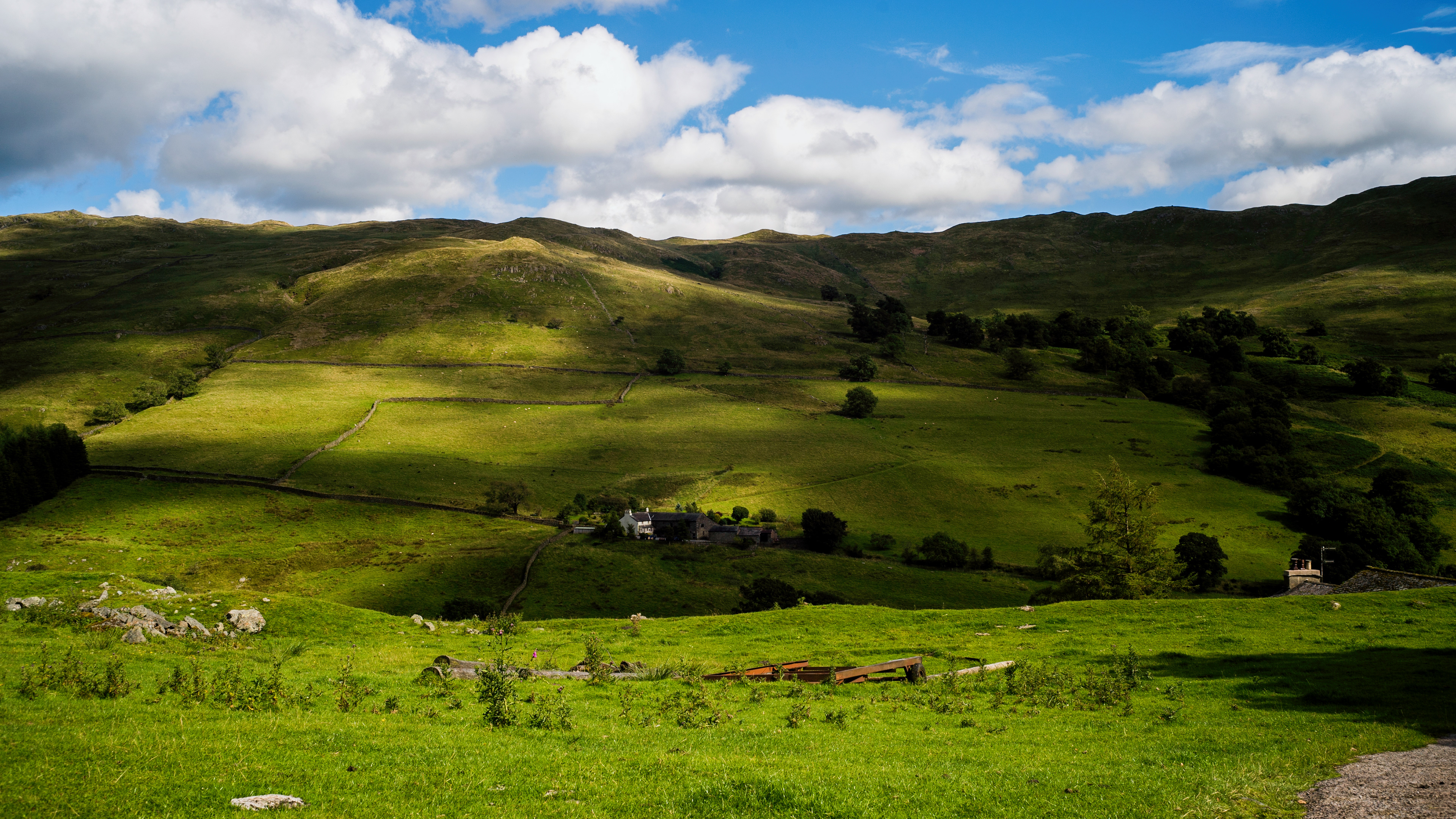
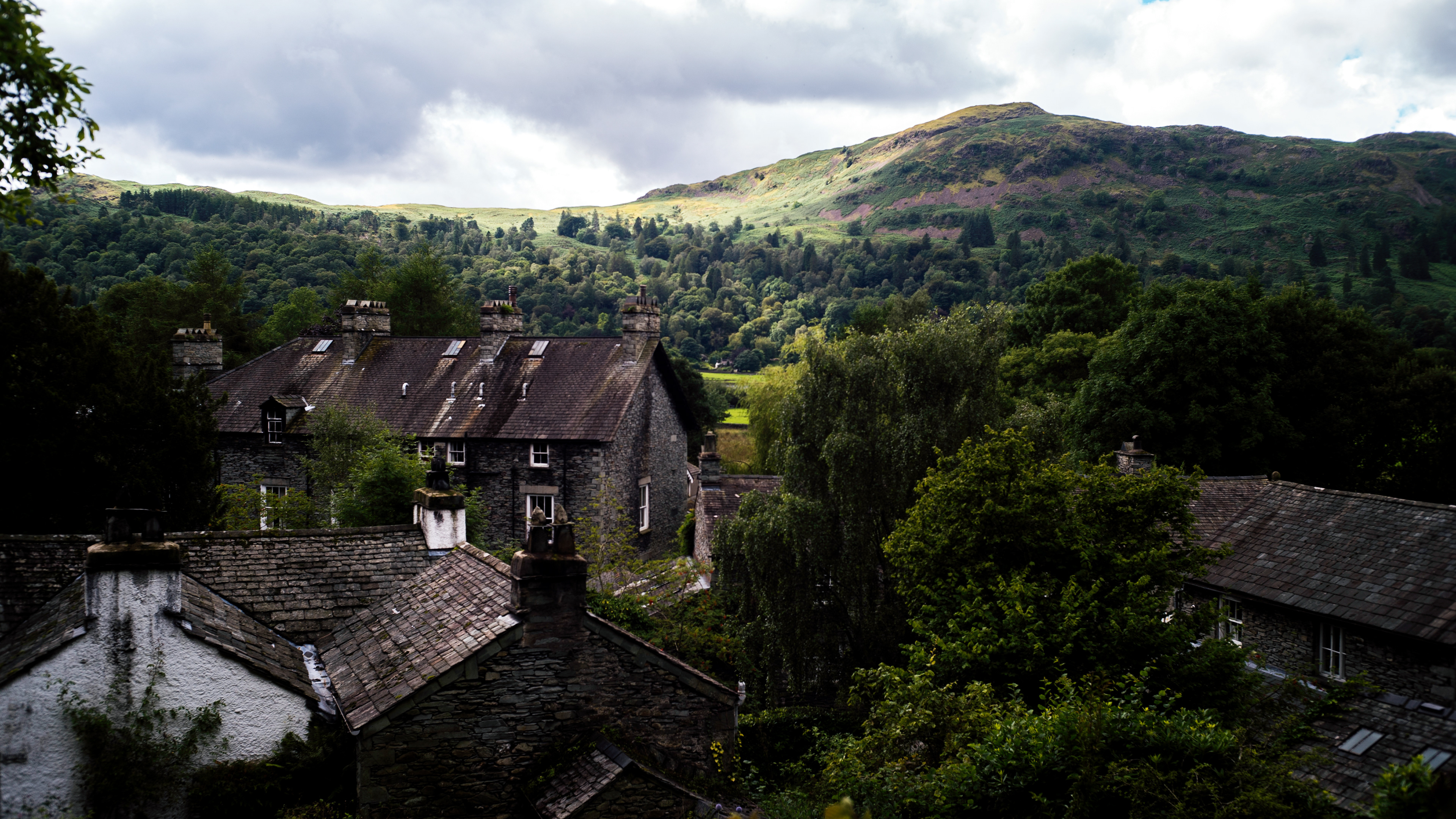
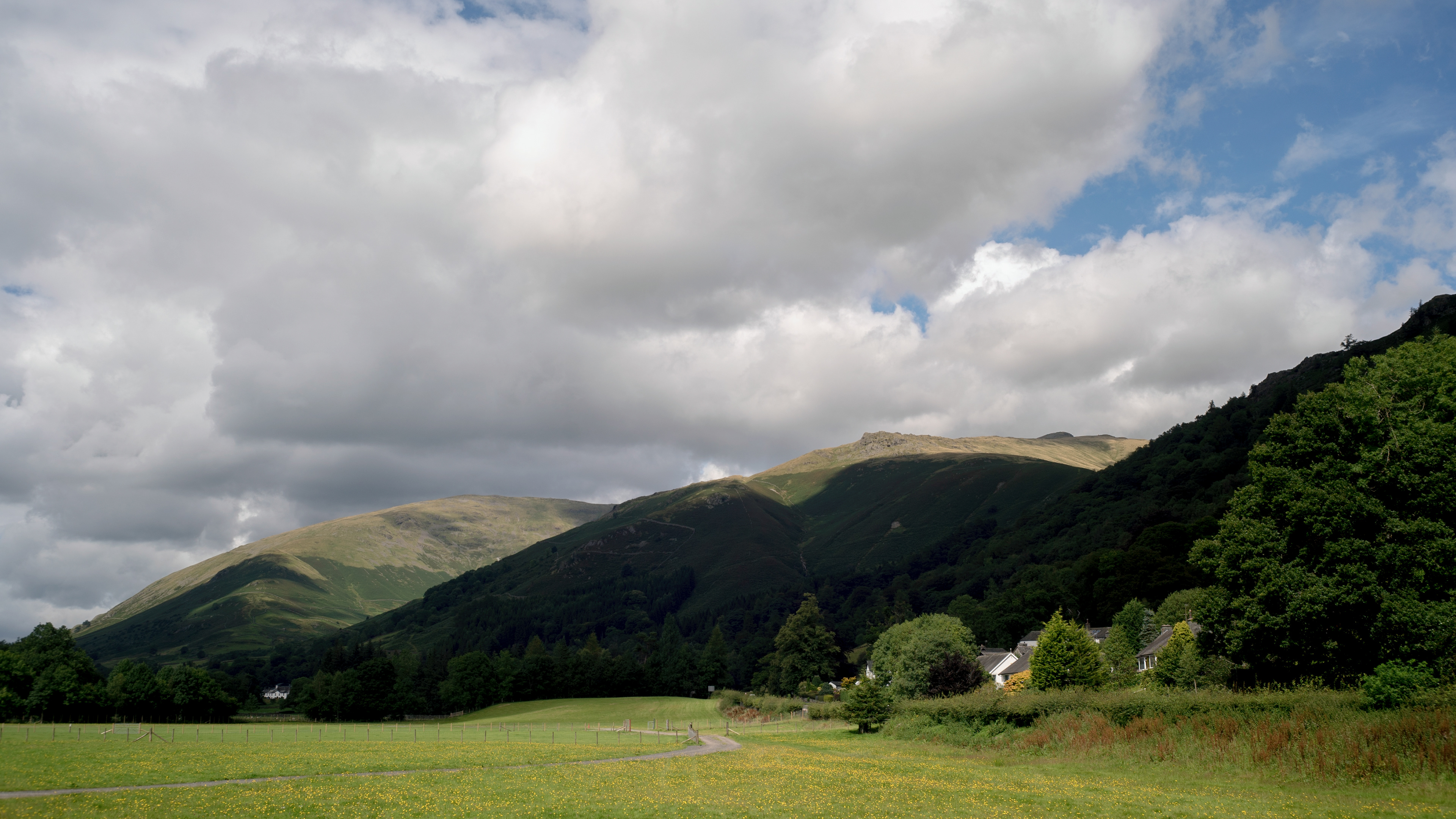
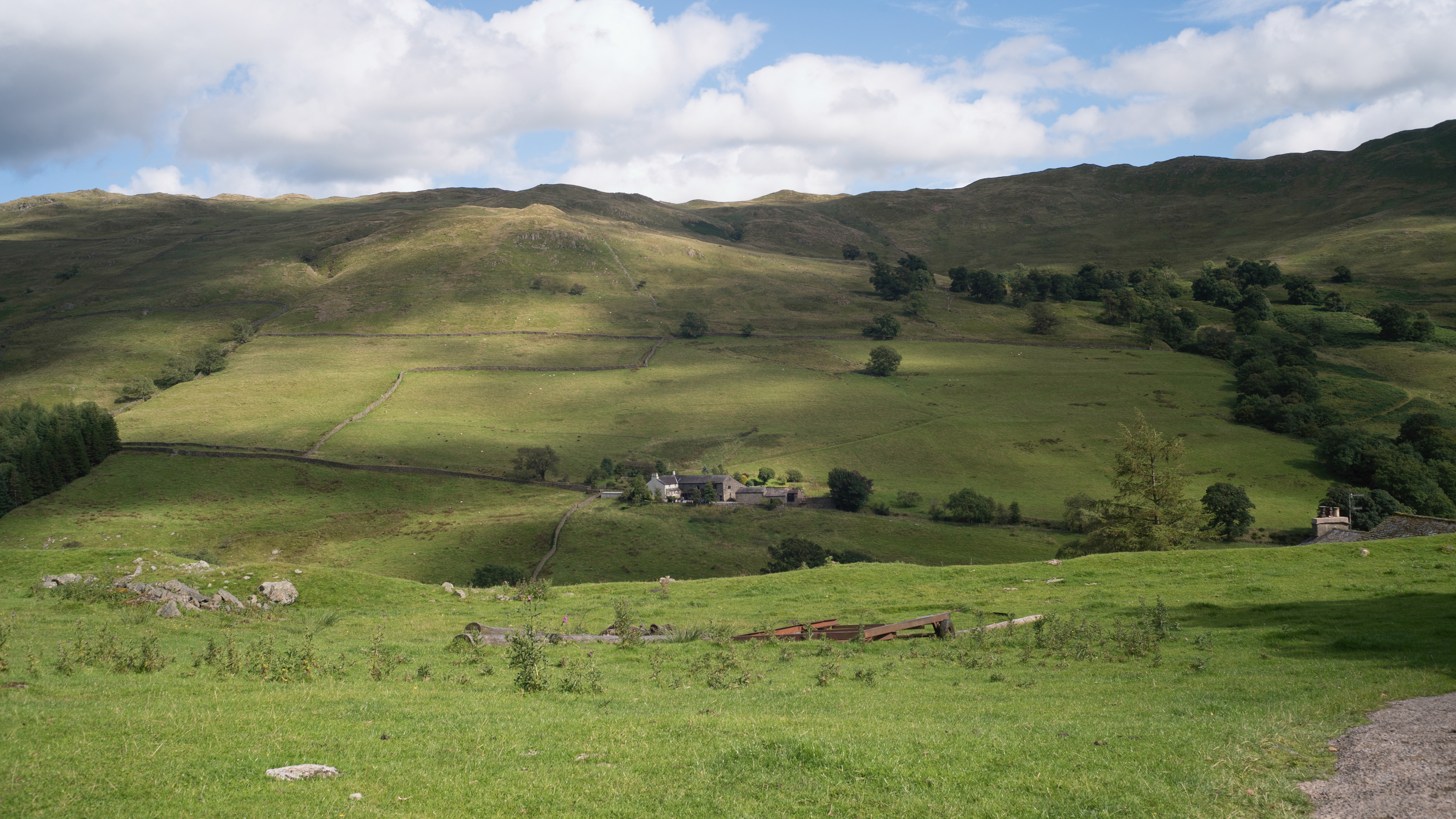
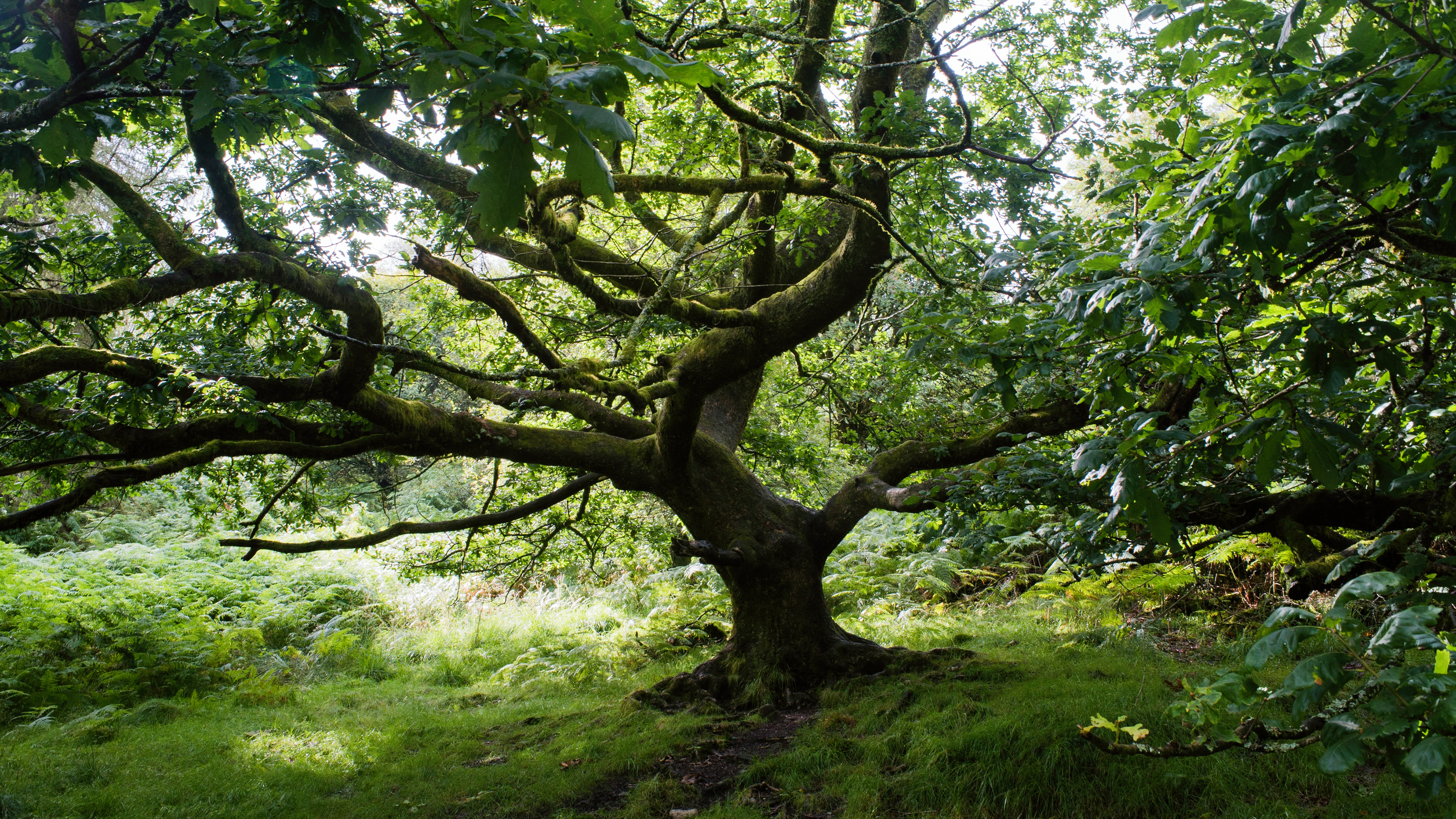
These landscapes are as much about a state of imagined perfection as they are about the interplay of light, form, texture, and substance.
In graduate school I took a class with painter Suzanne Joelson. The class was contentious because of personalities, but what stuck with me was our pursuit of the sublime. I don’t recall a definitive conclusion, only a few enduring examples: Proust’s Madeleine and cup of tea, and the image that has glued itself to my mind — Caspar David Friedrich’s Wanderer Above the Sea of Fog. For me that image embodies the Romantic inflection point between human desire and nature’s vastness.
The Lake District feels like that idea made physical. It is the big, wild, idealized — yet controlled — natural world: the setting for Wordsworth and Coleridge, and the contemporaneous painters Turner and Constable with their swirls of light, atmosphere, and form. It’s easy to reduce the period to myth, until you arrive and see that the sky does behave that way, that light does slice through clouds in emphatic highlights. At some level the mythology has a basis in a remarkable reality.
Technically, these images include global, non‑destructive adjustments and a few minor spot‑repairs. Following the advice of my post‑production mentor, I’ve been very deliberate in post‑production. Over the next few weeks I will bring most of these into Photoshop and make selective, minimal edits that remain within the tradition of straight photography. Although I’ve spent considerable time on each image, I’m not yet fully satisfied; I’ll continue to tweak them, but I wanted to share them now.